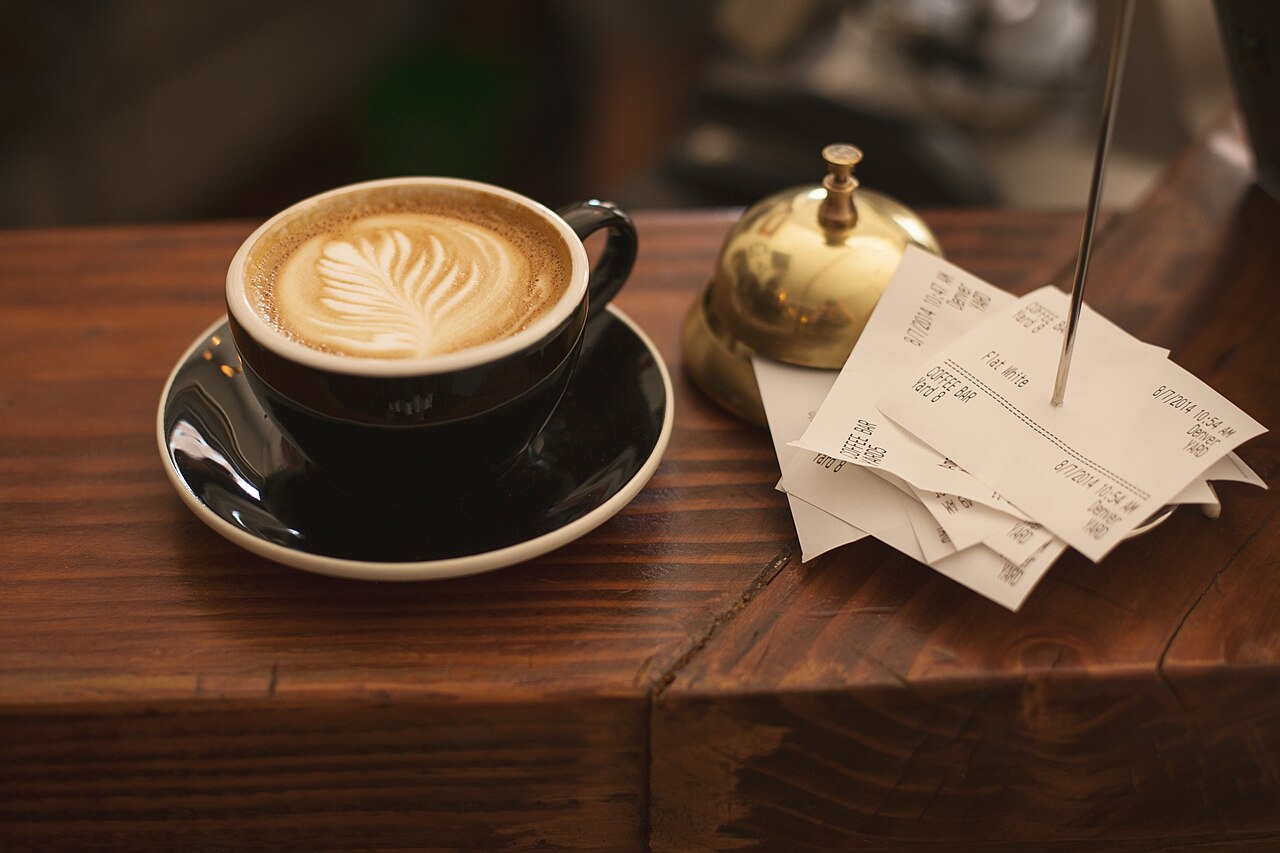
Let me start with a disclaimer: I fix computers, build systems and connect things that refuse to talk to each other. I do not do VAT. If you ask me about deduction rules, I will smile politely and give you your accountant's phone number.
But I do follow what happens on the systems side, and over the last year the message from the authorities has been loud and clear: bookkeeping is going fully digital. There are new requirements for the systems you keep your books in, and e-invoicing between businesses (EHF) is on its way to becoming the norm rather than a nice-to-have. The exact dates are for your accountant to keep an eye on, but the direction is not up for debate. The shoebox of receipts is retiring, and the PDF invoice attached to an email is not far behind.
Why I actually think this is good news
Every time I visit a company, I see the same thing: someone types numbers from one system into another. Orders from the web shop go into the accounting system by hand. Hours from the timesheet are copied into invoices. Customer details live in three places, and they're all slightly different. It's slow, it's boring, and it's where the mistakes happen.
When your accounting system has to be properly digital anyway, it's the perfect moment to connect it to the rest of the business. Let the CRM create the invoice. Let the web shop send orders straight in. Let the boss see real numbers on a dashboard instead of waiting for the monthly report. This is exactly the kind of work I've done for clients for years, and it pays for itself surprisingly fast.
So my advice is: talk to your accountant about the rules, and then talk to me about the plumbing. Between the two of us, we'll get rid of that shoebox for good.
/Jan